

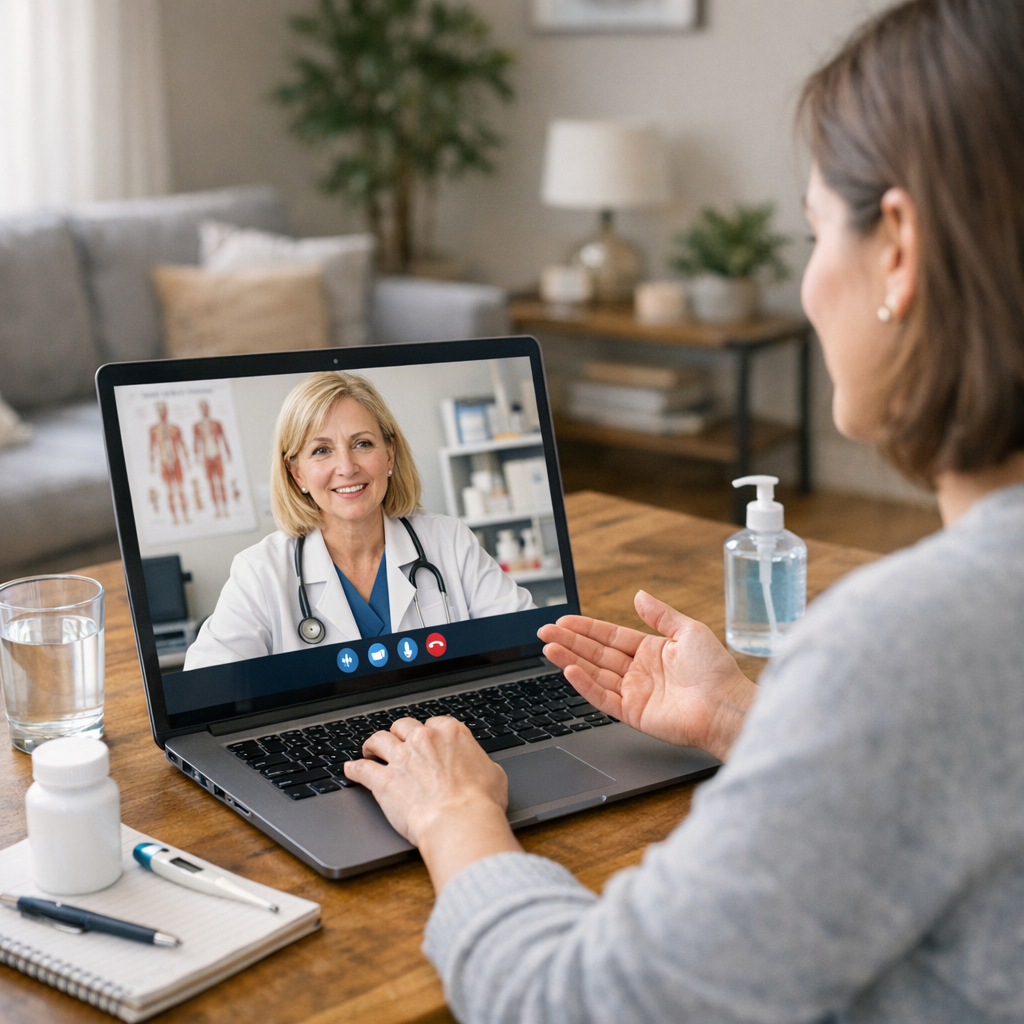
In recent years, the United States has witnessed significant changes in telemedicine regulations, particularly concerning the prescription of controlled substances. These developments have profound implications for patients and healthcare providers nationwide.
Extension of Telemedicine Flexibilities
Under the extended flexibilities, a DEA-registered practitioner can prescribe Schedule II-V controlled substances via telemedicine without an in-person medical evaluation, provided certain conditions are met. This means patients can:
- Schedule virtual consultations with licensed providers from their homes.
- Receive medical evaluations without traveling to physical clinics.
- Obtain valid prescriptions if clinically appropriate.
- Have medications delivered directly to their doors.
These measures aim to prevent the abrupt reinstatement of pre-pandemic restrictions, ensuring continued patient access to necessary care.
Legal and Safety Considerations
While these extensions offer increased accessibility, it’s crucial for patients to adhere to legal requirements when obtaining prescriptions online. This includes:
- Securing a valid U.S. prescription.
- Undergoing a virtual assessment with a state-licensed provider who reviews medical history and potential contraindications.
- Verifying that the pharmacy is accredited by the National Association of Boards of Pharmacy (NABP).
Engaging with unverified online sources poses risks such as counterfeit medications, incorrect dosages, or harmful contaminants. Therefore, patients are advised to consult with licensed healthcare providers and use accredited pharmacies to ensure safety and compliance.
Implications for High Point Residents
For residents of High Point, North Carolina, these regulatory changes mean greater flexibility in accessing healthcare services. However, it’s essential to remain vigilant and informed about the legalities and safety measures associated with telemedicine. By doing so, individuals can take full advantage of these advancements while safeguarding their health and well-being.